How Do Porta Potties Work?
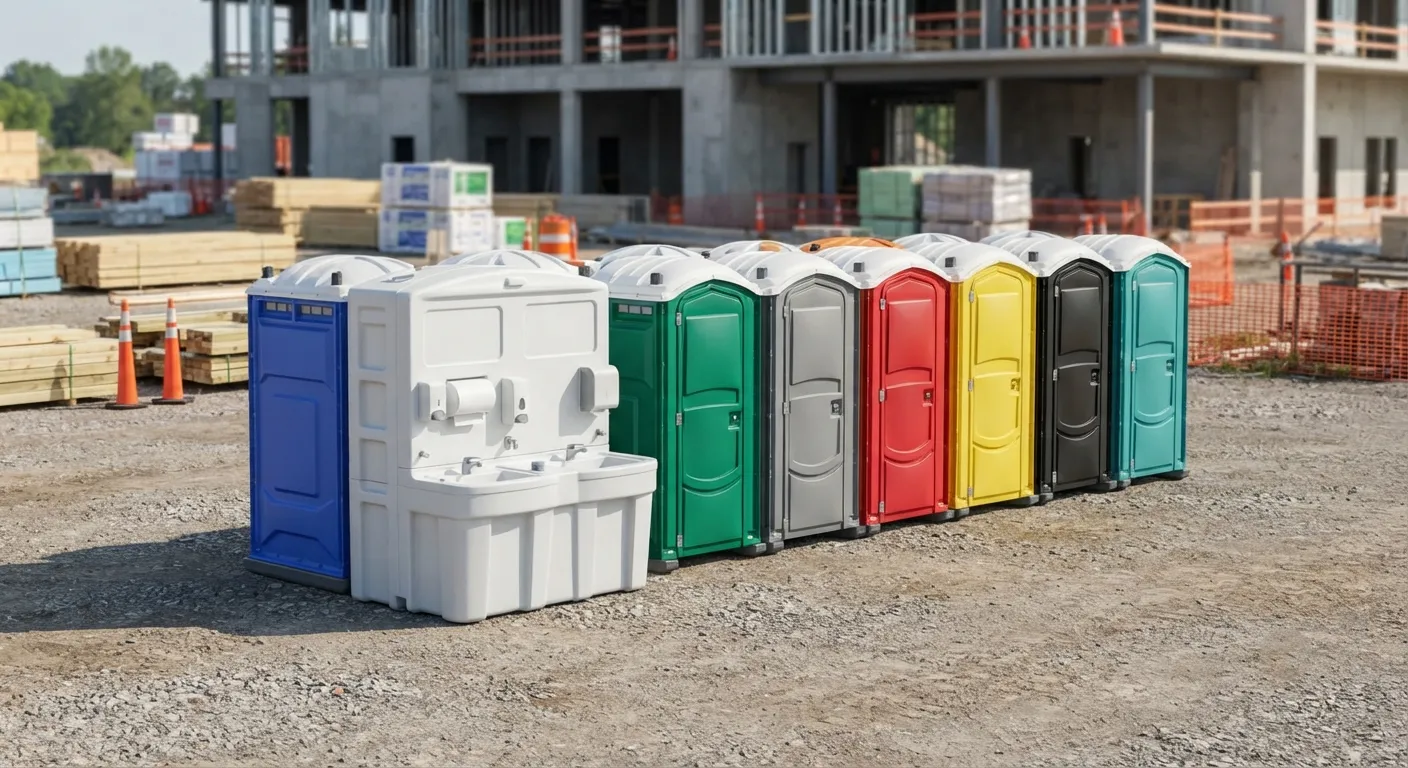
The setup is simpler than most people expect. A construction worker running to a porta potty on a job site steps into a molded plastic stall about 44 by 48 inches on the ground and 92 inches tall, per the standard porta potty rental spec sheet Berwyn Porta Pros uses on every delivery. Underneath the seat sits a holding tank. That tank carries a chemical charge, usually a blue dye and deodorant blend, sometimes described loosely as septic tank cleaning chemical, though it is really a holding-tank treatment, not a home septic product. It suppresses odor and starts breaking down solids between service visits. There is no flush, no water line and no drain field. When the unit fills, a technician vacuums the tank, rinses it and recharges the chemical. ANSI/PSAI Z4.3, the industry service standard, sets a baseline of one visit per week for up to 10 users over a 40 hour week, which is why job sites in Berwyn with more workers need either more units or tighter service intervals. You can check unit counts against your crew size using how many porta potties do I need before you book.
How Does a Portable Sink Work?
A portable sink is a separate unit from the toilet, and it runs on its own fresh and gray water tanks rather than a building's plumbing. Fresh water sits in one tank, usually pressurized by a foot pump or a small onboard pump, and it flows out through a spigot for handwashing. Used water drains into a second, sealed gray tank underneath, which gets emptied on the same service run as nearby toilets. Soap and paper towels sit in dispensers on the unit itself. This matters for compliance: 29 CFR 1910.141(d)(2) requires washing facilities to have soap and towels or a hand-drying device, and hand sanitizer alone does not satisfy that. Crews doing paint, coating or pesticide work also trigger OSHA 1926.51(f)(1), which requires washing facilities specifically for those contaminant tasks. Berwyn Porta Pros pairs handwashing station rental units with toilet orders on most job sites, and a look at portable sink rental options shows the size range available for crews of different sizes.
How Do Flushable Porta Potties Work?
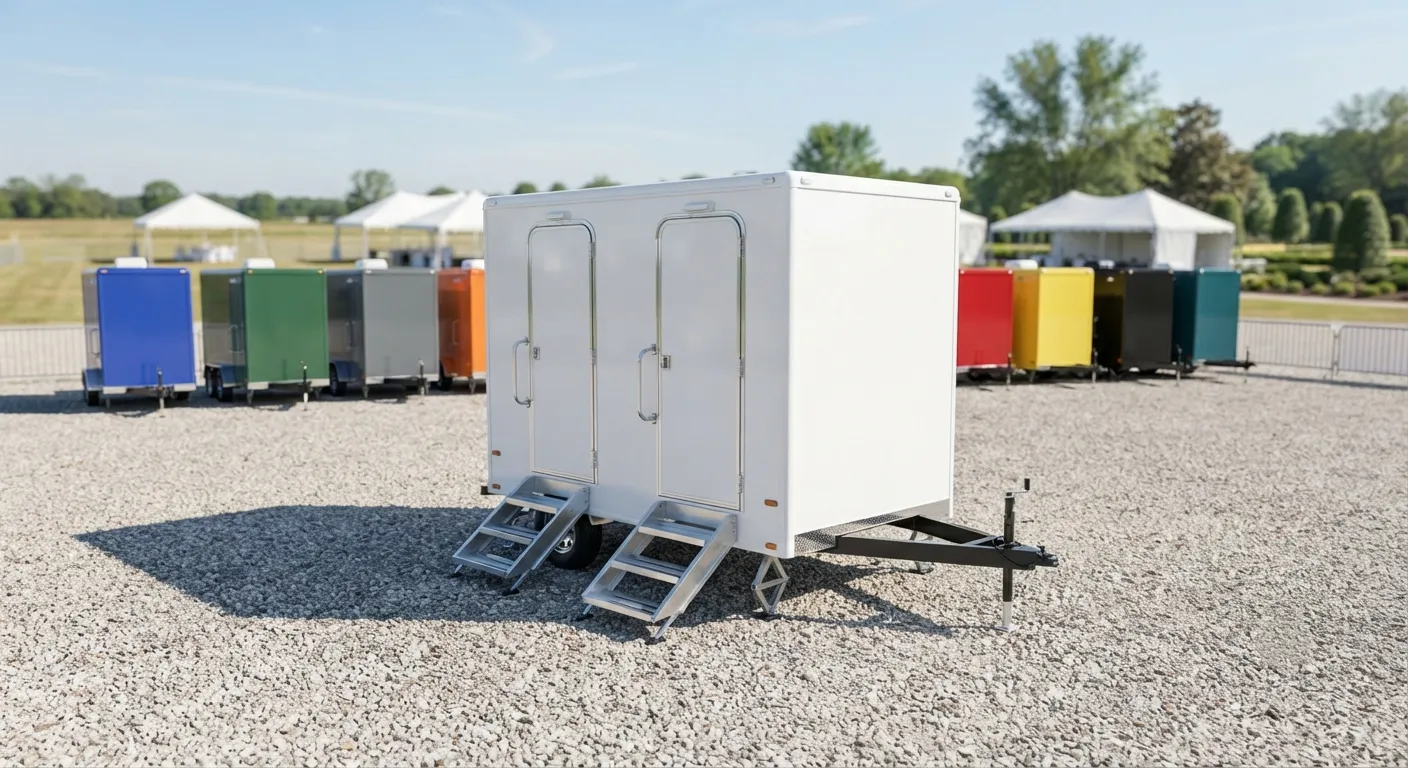
Deluxe and ADA units add a flush mechanism, but the tank underneath still isn't connected to a sewer line. A deluxe flushable porta potty uses a small reservoir of fresh water and a hand pump or foot pedal to push a rinse cycle through the bowl after each use, similar to a camping toilet, and the waste still drops into the same sealed holding tank as a standard unit. That is also how camping porta potties work on a smaller scale: a compact fresh tank up top, a waste tank below, no external water source needed. ADA units follow additional dimensions: ADA Standards section 404.2.3 sets a minimum clear door opening of 32 inches, and section 304.3.1 calls for a 60 inch turning circle inside. Where several standard units cluster on one site, ADA Standards section 213.2 requires at least 5 percent of them, and never fewer than one, to be accessible. Details on sizing and pricing sit on the ADA accessible porta potty page, and the porta potty rental cost breakdown compares deluxe units against standard ones.
What Are Porta Potty Chemicals Made Of?
The chemical charge in a portable toilet tank is a deodorizer and digestive agent, blue or green dye for visibility, and a surfactant that helps break down toilet paper and waste between pump-outs. It is not the same product used in a home septic system, and it is not the harsh acid people sometimes picture when they search portable toilet chemicals near me. Berwyn Porta Pros recharges the tank at every service stop, following the same interval logic as ANSI/PSAI Z4.3. On construction sites, toilet counts also have to meet OSHA 1926.51(c), which sets ratios by worker count: one facility for 20 workers or fewer, then additional seats as crew size grows. Full ratio detail lives on OSHA portable toilet requirements. Job sites running events or long-term rentals in Berwyn should also check the porta potty placement guide for surface and clearance notes before delivery day.
| duration | typical price |
|---|---|
| day | $150 |
| week | $200 |
| month | $200 |
| weekend | $250 |
Berwyn sits close enough to several other communities that Berwyn Porta Pros services regularly, including Forest Park 3.0 miles northwest and Brookfield 3.7 miles southwest, so delivery logistics rarely add much time to a job. For side-by-side unit comparisons, the portable toilet rental and portable restroom rental pages both break down standard, deluxe and ADA options in one place, which is the porta potty rental in Berwyn, IL pillar page for this whole topic cluster.
Do porta potties smell if they're serviced regularly?
Not much, if the service interval matches use. The chemical charge controls odor between pumps, and ANSI/PSAI Z4.3 sets the baseline weekly visit for typical use levels. Heavier use needs more frequent stops. See do porta potties smell for specifics.
How often do porta potties get pumped?
It depends on user count, not a fixed calendar date. A single unit serving 10 people over a standard work week fits the ANSI/PSAI Z4.3 baseline of one pump per week. Busier sites need two or three visits.
Can I rent a porta potty for just one day in Berwyn?
Yes. Daily rentals run in the $100 to $350 range depending on unit type, per the porta potty rental per day breakdown. Weekend events often price separately from single-day rates.
Do flushable units need a water hookup?
No. They carry their own fresh water reservoir, similar to a camping toilet, and don't connect to a building's plumbing. See deluxe flushable porta potty for tank size and features.
Is hand sanitizer enough for job site handwashing?
No. 29 CFR 1910.141(d)(2) requires soap and towels or a drying device. A handwashing station rental unit satisfies that requirement on site.
Next step
Get a delivery date
Tell us the address, the dates and the headcount. We size the order and confirm the route.